The Rise of Minimally Invasive Cosmetic Dentistry

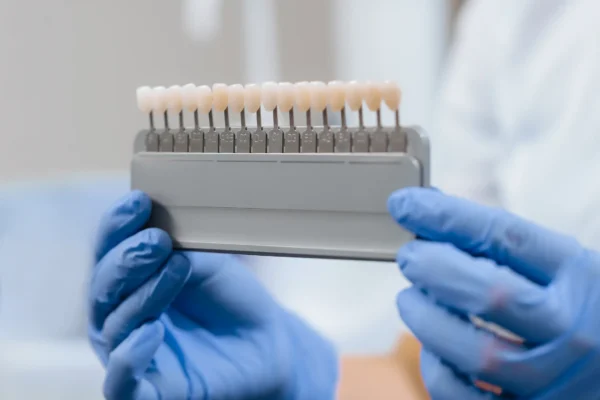

Cosmetic dentistry used to carry a certain look and a certain reputation. Patients often imagined aggressive tooth preparation, opaque white restorations, and a result that was technically impressive but easy to spot across a room. That picture has changed. Over the past two decades, the center of gravity in Cosmetic Cosmetic Dentistry Dentistry has moved steadily toward conservative treatment, subtle enhancement, and long-term preservation of natural tooth structure.
That shift did not happen because patients became less interested in appearance. If anything, expectations are higher than ever. People want brighter teeth, better alignment, repaired chips, and more balanced smiles. What has changed is the way dentists think about achieving those goals. The most respected work now tends to be the least obvious. A good result looks healthy, proportionate, and believable. It should not announce the dentistry before it reveals the person.
Minimally invasive cosmetic dentistry sits squarely in that philosophy. It is not a single procedure. It is a way of planning and treating, with a bias toward doing less irreversible work whenever less will achieve the goal. It values enamel, respects biology, and treats longevity as part of beauty rather than separate from it.
Why conservation became the new standard
Dentists have always known that enamel matters. It is the strongest tissue in the human body, and once it is removed, it does not grow back. What changed in daily practice was the realization that many traditional cosmetic approaches sacrificed too much healthy structure too early.
Years ago, a patient unhappy with shape, color, and mild crowding might have been steered quickly toward full veneers or even crowns. In some cases that was appropriate, especially when teeth were heavily restored, discolored from trauma, or structurally compromised. But many patients had fundamentally healthy teeth that simply needed refinement. Preparing those teeth aggressively solved the immediate cosmetic problem while creating a lifelong restorative cycle. Restorations age, margins stain, ceramics chip, and at some point replacement becomes necessary. Replacement often requires removing a little more tooth each time.
That reality has encouraged a more disciplined question at the consultation stage: what is the least invasive way to get this patient where they want to go?
The answer is often a sequence rather than a single intervention. Bleaching may reduce the need for restorative coverage. Orthodontic alignment may eliminate the need to reshape neighboring teeth. Bonding may correct a localized defect without touching adjacent surfaces. When treatment is planned this way, the smile can improve dramatically while the biology remains largely intact.
Patients have changed too. Many arrive informed, sometimes overinformed, but often with a clear preference for preserving their own teeth. They are wary of having healthy enamel drilled away for cosmetic reasons alone. That caution is not misplaced. In experienced hands, veneers can be beautiful and durable. But they should be prescribed carefully, not reflexively.
What “minimally invasive” actually means in practice
The phrase sounds appealing, but it can become vague if it is not grounded in specifics. In cosmetic dental practice, minimally invasive means preserving as much natural tissue as possible while still delivering a predictable, functional, and esthetic outcome. It is about restraint, but not timidity. A conservative plan still has to work.
That often begins with diagnosis. The biggest mistakes in Cosmetic Dentistry rarely come from hand skills alone. They come from treating the visible complaint without understanding the cause. A chipped incisor may not just be a chip. It may signal a deep bite, parafunctional grinding, or unstable tooth position. Closing a gap with composite may look attractive on the day it is placed, but if the proportions become bulky or the papilla cannot support the shape, the result may look off within weeks. Conservative treatment demands careful planning because there is less room to hide behind heavier reconstruction.
It also requires excellent communication. Many patients say they want “veneers” when what they actually want is a cleaner, brighter, more balanced smile. Those are not the same thing. Once they see mockups, photographs, and staged options, preferences often shift. A person who initially expected six or eight veneers may choose whitening, aligners, and a touch of bonding instead. Not because it is cheaper, though it sometimes is, but because it better respects the teeth they already have.
The technologies that made this movement possible
Minimally invasive care did not rise on philosophy alone. Materials and techniques had to improve enough to make conservative options dependable.
Adhesive dentistry is a major reason this approach works. Modern bonding systems allow clinicians to attach composite resin and ceramic restorations to enamel with excellent retention when case selection is sound and isolation is meticulous. That matters because strong adhesion reduces the need for mechanical retention through aggressive tooth reduction.
Ceramics have also improved. Contemporary porcelain veneers can be made thin, lifelike, and strong enough for carefully chosen cases. In the right hands, ultra-thin veneers sometimes require little or no preparation, though “no-prep” is not a universal virtue. If a restoration adds too much bulk or creates unnatural contours, preserving enamel at all costs becomes self-defeating. Good dentistry is conservative, not dogmatic.
Digital planning has sharpened decision-making. High-quality photography, intraoral scanning, and wax-up or mockup workflows help both dentist and patient preview changes before any irreversible step. A trial smile in composite or provisional material can reveal whether added length feels elegant or excessive, whether a midline correction looks natural, and whether phonetics remain comfortable. That kind of preview protects patients from overtreatment and helps avoid the common trap of discovering aesthetic objections after final restorations are already fabricated.
Teeth whitening systems deserve mention too. Whitening may sound basic compared with ceramics and scanners, but it is arguably one of the most enamel-friendly cosmetic treatments available when properly prescribed. A patient who lightens several shades may no longer need broad restorative coverage to mask color. That simple change alone can redirect an entire treatment plan.
The treatments driving the trend
Several procedures sit at the heart of minimally invasive Cosmetic Dentistry. They are not interchangeable, and the art lies in choosing the right combination.
Direct composite bonding is one of the most useful tools in a cosmetic dentist’s armamentarium. It can repair small chips, close narrow spaces, lengthen worn edges, and reshape teeth with little to no drilling. The appointment is often completed in one visit, and the result can be refined chairside with impressive precision. Composite is technique-sensitive and not as stain-resistant as porcelain over the long term, but in the right case it preserves options. That is one of its greatest advantages. If a patient later wants a different solution, the tooth has not been heavily committed.
Clear aligner therapy has had an equally important impact. Minor crowding, spacing, black triangles, and uneven incisal edges used to be managed restoratively because tooth movement felt burdensome to adults. That barrier is lower now. A few months of controlled orthodontics can create the position needed for a much simpler cosmetic finish. In practice, this often means smaller restorations, better proportions, and more durable outcomes.
Porcelain veneers still play a central role, but the philosophy around them has matured. The best veneer cases today are often those where planning has reduced the number of teeth involved or minimized preparation through prior alignment and whitening. Veneers are not disappearing. They are being used more selectively and, in many practices, more elegantly.
Enamel microabrasion and resin infiltration occupy a smaller but meaningful niche. Superficial white spots, mottling, and certain developmental defects can sometimes be softened or blended without full restorative coverage. These treatments do not solve every discoloration problem, but when they work, they work with remarkable tissue preservation.
Gingival contouring can also be part of a minimally invasive plan. A smile that appears toothy or uneven is not always a problem of tooth shape alone. Small adjustments to the gumline, provided periodontal health and biologic width are respected, can transform symmetry without changing the teeth themselves.
The quiet power of staging treatment
One of the clearest markers of experienced cosmetic planning is a willingness to stage treatment rather than rush to the final material. This can be harder than it sounds. Some patients want a single appointment fix. Some dentists feel pressure to deliver dramatic transformation quickly. But staged treatment often leads to better judgment.
A common example involves a patient with mild crowding, edge wear, and generalized yellowing. If the case is approached purely restoratively, the temptation is to mask all three concerns with porcelain. A staged plan might look different: whitening first, then limited aligner therapy, then selective edge bonding or a small number of veneers only where needed. The overall timeline is longer, but the biological cost is far lower.
This staged approach also helps test esthetic tolerance. A patient may believe they want very square central incisors or a broad, highly polished “celebrity” look. After living with a mockup or provisional change, they may discover they prefer softer contours that suit their face better. It is much easier to change direction before final ceramic work is bonded than after.
What patients gain beyond the obvious
The benefits of minimally invasive treatment are not limited to saving enamel, although that is the central principle. Patients often gain psychological comfort from knowing that the work done was necessary and proportionate. That matters more than clinicians sometimes appreciate.
There is also a practical advantage. Conservative treatments are often easier to maintain and easier to modify. A bonded corner can be repaired. A small additive veneer can sometimes be replaced with little escalation if the underlying tooth was preserved well. By contrast, teeth that have been heavily reduced leave fewer fallback options.
Function tends to benefit too. Overbuilt cosmetic cases can create bulky contours that affect speech, lip posture, and cleansability. When restorations are additive in the wrong places, plaque retention can increase and gum tissue can become chronically irritated. A restrained approach usually produces contours that sit more naturally within the patient’s oral environment.
Patients also age better with dentistry that looks like them. A smile can be bright without being flat, aligned without being rigid, youthful without seeming disconnected from the face. This is one of the more interesting developments in modern Cosmetic Dentistry. The aspirational look is no longer the same polished uniformity that dominated magazine covers years ago. Many patients now prefer texture, translucency, and individuality, qualities that conservative dentistry is often better at preserving.
Where minimalism can go wrong
Conservative treatment is not automatically superior in every situation. One of the more common errors is under-treating a case in the name of preservation, then forcing materials beyond their limits.
A patient with severe tetracycline staining, structurally weakened enamel, and significant wear may not be a good candidate for simple whitening and edge bonding. A person with major asymmetry, old failing restorations, and unstable bite may need a more comprehensive rehabilitation. Trying to solve those cases with minimal additive tweaks can produce fragile, patchwork dentistry that disappoints aesthetically and fails mechanically.
“No-prep veneers” are a good example of a concept that sounds ideal but can be overmarketed. They can work beautifully when teeth are slightly small, set inward, or naturally spaced in a way that welcomes additive volume. They often work poorly when teeth are already prominent, crowded, or broad. In those patients, avoiding preparation may lead to restorations that look puffy and overcontoured. Preservation of enamel is valuable, but so is the final shape. A well-judged light preparation can be more conservative in the larger sense than a bulky no-prep restoration that compromises the smile and the gum tissue.
Composite bonding has limitations too. It is brilliant for many refinements, but large bonded additions in heavy grinders can chip repeatedly. Patients who drink coffee, red wine, or tea regularly may see staining sooner than they expect. Those issues are manageable, but only if they are discussed honestly upfront.
The consultation questions that matter most
A strong minimally invasive plan usually emerges from a careful conversation rather than a sales pitch. The most useful questions are often simple:
- What exactly bothers you when you look at your smile?
- Are you more concerned with color, shape, alignment, or wear?
- How important is reversibility to you?
- Do you want the smallest change that makes a difference, or are you seeking a major transformation?
- How much maintenance are you realistically willing to accept?
Those answers shape treatment more than many patients realize. Someone focused mainly on brightness may be thrilled with whitening and polishing. Someone bothered by one chipped lateral incisor does not need eight veneers. Someone with years of grinding and repeated repairs may accept a more extensive solution if it offers stability.
This is where experience shows. Cosmetic dentistry is full of procedures, but what patients really need is judgment. The best clinicians do not simply match complaints to treatments. They weigh biology, mechanics, expectations, and lifestyle, then find the narrow path where those factors align.
Maintenance is part of the cosmetic result
There is a persistent misconception that “conservative” means “temporary” and “comprehensive” means “durable.” Reality is more nuanced. Longevity depends on material choice, bite forces, oral hygiene, habits, and how well the original plan respected those variables.
Minimally invasive work often performs very well when patients understand maintenance. Whitening requires touch-ups. Bonding may need occasional polishing or repair. Retainers after aligner therapy are not optional if tooth position is to be preserved. Night guards matter when wear is driven by parafunction. None of this makes the treatment inferior. It makes it honest.
Patients generally respond well when maintenance is framed properly. A natural smile also needs care. Teeth stain, move, wear, and fracture whether dentistry is present or not. The goal is not to freeze the mouth in time. It is to improve the smile while preserving as much health and flexibility as possible.
One practical way to think about options is this:
| treatment | invasiveness | strengths | trade-offs | |---|---|---|---| | whitening | very low | preserves enamel, broad color improvement | may need periodic retreatment, limited effect on certain intrinsic stains | | composite bonding | low | additive, repairable, often single visit | can stain or chip, highly technique-sensitive | | clear aligners | low to moderate | improves tooth position without drilling | requires compliance and retention | | porcelain veneers | moderate | excellent esthetics, color stability | irreversible, future replacement likely | | full crowns for cosmetic reasons | higher | useful when teeth are heavily damaged | greatest removal of tooth structure |
Why this trend is likely to continue
Several forces are pushing minimally invasive Cosmetic Dentistry forward, and none of them seem temporary. Patients are more informed, materials continue to improve, and the profession itself has become more biologically minded. Younger dentists are often trained to think in additive terms first. Specialists collaborate more closely, which means orthodontics, periodontics, and restorative care can be sequenced intelligently instead of one discipline trying to solve everything alone.
Social media has played a mixed role. It can drive unrealistic expectations and reward dramatic before-and-after Cosmetic Dentistry images over nuanced care. Yet it has also exposed patients to a broader range of outcomes and aesthetics. Many people now recognize when teeth look overdone. They want freshness, not artificial perfection.
The deeper reason this movement has momentum is simpler. It aligns with good medicine. Preserve healthy tissue when you can. Intervene only as much as necessary. Choose the option that leaves the patient with the greatest number of future choices. Those principles are not trends in the usual sense. They are signs of a field becoming more mature.
The rise of minimally invasive cosmetic dentistry is not about doing less for the sake of restraint. It is about doing exactly enough, no more, no less, and doing it with respect for the biology that makes a beautiful smile possible in the first place. When that standard guides treatment, the results tend to look better, feel better, and age better. For patients and clinicians alike, that is progress worth keeping.
Toothworks of Bakersfield, Dentist and Orthodontist
1030 H St #1, Bakersfield, CA 93304, United States
+1 661-323-9421
FAQ About Cosmetic Dentistry
Is bonding better than veneers?
Neither option is best for everyone. Composite bonding can address small chips, gaps, or shape concerns and is generally easier to repair. Porcelain veneers may offer greater resistance to staining and wear, but often require removal of some enamel. A dentist should assess your oral health, bite, goals, and budget before recommending treatment.
How long will dental bonding last?
Bonding commonly lasts about three to ten years before it needs repair or replacement, though this varies with the location and amount of bonding, your bite, and daily habits. Regular dental visits, good oral hygiene, and avoiding chewing hard objects can help protect it. Ask your dentist what lifespan is realistic for your particular treatment.
What are the risks of teeth whitening?
Whitening can cause temporary tooth sensitivity and gum irritation. Overuse or incorrect use may damage teeth or gums, and whitening does not change the color of existing crowns, veneers, or fillings. Have a dentist assess your teeth and gums, and follow the recommended product directions and treatment schedule.